Advanced Leak Detection Techniques: Essential Guide for 2025

Understanding Leak Detection: The Basics
Leak detection is an essential service for homeowners, particularly in areas with aging plumbing systems or where extreme weather can compromise infrastructure. Identifying leaks early not only saves homeowners from costly repairs but also prevents damage to property, reduces wastage of resources, and maintains the efficiency of heating and cooling systems. Whether you’re dealing with a minor pipe issue or a significant leak threatening your home’s foundation, understanding the basics of leak detection can empower you to make informed decisions. When exploring options, leak detection specialists can provide comprehensive insights into the latest technologies and techniques available today.
What is Leak Detection?
Leak detection refers to the process of identifying the presence of leaks in various systems, particularly water and gas lines within residential and commercial buildings. This process utilizes advanced technologies and methodologies to pinpoint the source of leaks without the need for extensive excavation or demolition. By employing techniques such as infrared thermography, acoustic sensors, and moisture mapping, leak detection specialists can accurately diagnose issues before they escalate into major problems.
Common Causes of Leaks in Homes
Leaks in homes can arise from various sources, including:
- Corrosion: Over time, pipes can corrode due to age, leading to weak spots that are prone to leaks.
- Ground Shifts: Natural ground movements from seismic activity or settling can cause pipes to crack or shift, resulting in leaks.
- High Water Pressure: Excessive water pressure can stress plumbing fixtures and pipes, causing them to rupture.
- Improper Installation: Poorly installed plumbing systems, especially in older homes, can result in leaks.
- Temperature Changes: Fluctuations in temperature can cause materials to expand and contract, leading to cracks.
Why Professional Leak Detection is Crucial
Attempting to locate leaks without professional assistance can lead to extensive damage and unnecessary expenses. Professional leak detection services offer:
- Expertise: Qualified technicians understand the systems in your home and can identify potential problem areas.
- Advanced Technology: Professionals use state-of-the-art equipment, ensuring accurate detection with minimal disruption.
- Comprehensive Reporting: After assessing the situation, professionals provide detailed reports that outline findings and recommendations.
Innovative Technologies in Leak Detection
As technology advances, so too do the methods used in leak detection. Homeowners benefit from innovative solutions that promise accuracy and efficiency.
Advanced Leak Detection Methods Explained
Some of the cutting-edge methods used today include:
- Pressure Testing: This method involves checking various sections of piping for pressure inconsistencies, indicating possible leaks.
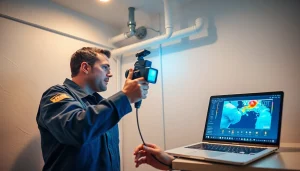
- Thermal Imaging: Utilizing infrared cameras, technicians can visualize temperature changes in walls and ceilings, pinpointing areas where moisture might be present.
- Acoustic Detection: This technique captures the sounds of leaks, allowing professionals to detect even the smallest leaks through walls or underground.
- Tracer Gas Detection: This involves introducing a non-toxic gas into a system and observing any escape points, particularly effective for hard-to-reach leaks.
Benefits of Non-Invasive Leak Detection
Non-invasive leak detection offers numerous advantages, including:
- Minimized Damage: With non-invasive techniques, professionals can identify leaks without unnecessary destruction of property.
- Cost-Efficiency: Reducing the need for major repairs lowers overall costs for homeowners.
- Time-Saving: Quick and efficient detection leads to faster repairs, minimizing disruption to daily life.
How Technology Improves Leak Detection Accuracy
The integration of technology allows for unprecedented accuracy in leak detection:
- Data Analysis: Advanced software analyzes data collected from various detection methods, leading to precise assessments.
- Real-Time Monitoring: Some systems enable continuous monitoring, alerting homeowners to leaks as soon as they occur.
- Visualization Tools: Technologies like 3D imaging help technicians visualize potential issues in the context of the entire plumbing system.
Top Challenges in Leak Detection
Despite advancements in technology, leak detection still presents several challenges, particularly in complex systems.
Identifying Hidden Leaks in Complex Systems
In modern homes, plumbing systems can be intricate, with multiple layers of wiring and piping. This complexity can make it difficult to locate hidden leaks. Some common issues include:
- Access Issues: Leaks located behind walls or underground can be challenging to access, complicating detection efforts.
- Multiple Systems: Conflicts may arise between various systems (water, gas, HVAC), complicating leak identification.
- False Positives: Inaccurate readings from sensitive equipment can result in false alarms, leading to unnecessary stress for homeowners.
Common Misconceptions About Leak Detection
There are several misconceptions that can mislead homeowners, such as:
- Do-It-Yourself Solutions: Many believe they can easily locate leaks themselves, but professional expertise often proves essential.
- Cost Concerns: Some homeowners avoid professional services due to perceived costs, not realizing that ignoring leaks could lead to more significant expenses.
- Invisibility of Leaks: Many assume that if they can’t see a leak, it doesn’t exist. However, hidden leaks can cause extensive damage over time.
Dealing with Urgent Leak Situations
In the event of a leak, immediate action is crucial. Homeowners should:
- Shut Off Water Supply: This prevents further damage until a professional can assess the situation.
- Document the Damage: Take photographs and notes to assist professionals and support insurance claims.
- Contact a Professional: Quick engagement with a leak detection service can minimize damage and repair costs.
Choosing the Right Leak Detection Service
Selecting a reliable leak detection service can be daunting, especially with so many options.
Questions to Ask Your Leak Detection Specialist
When evaluating potential services, consider asking:
- What technologies do you use? Understanding the tools they employ can give insight into the quality of their detection methods.
- What are your qualifications? Ensure they have the necessary certifications and experience in leak detection.
- Can you provide references or testimonials? Positive reviews from previous clients can offer reassurance of their capabilities.
Evaluating Certification and Experience
Look for certifications from recognized organizations in the plumbing or leak detection industry. Experience is also crucial; companies that have been in business for several years are likely to have encountered a range of issues and developed effective strategies for resolution.
The Importance of Customer Reviews and Testimonials
Reviews provide valuable insight into customer satisfaction and the effectiveness of the service. Check for testimonials on the company’s website, but also look for independent reviews on platforms such as Yelp or Google to get an unbiased view of their performance.
Future of Leak Detection: Trends and Predictions for 2025
The field of leak detection is continuously evolving, and several trends are shaping its future.
Emerging Technologies in Leak Detection
New technologies are being developed to enhance the efficiency and accuracy of leak detection:
- AI and Machine Learning: These technologies analyze patterns in data to predict potential leak issues before they occur.
- Smart Home Integration: The rise of smart homes allows for integrated leak detection systems that monitor plumbing in real time.
- Improved Sensors: Advancements in sensor technology enable more sensitive detection of even the smallest leaks.
Predictive Maintenance and Leak Prevention
Future plumbing systems may incorporate predictive maintenance, where data from leak detection systems is used to schedule routine inspections and maintenance before leaks develop into severe problems.
How Sustainability Influences Leak Detection Practices
With a growing emphasis on sustainability, leak detection practices are leaning towards more environmentally friendly approaches, such as minimizing water waste and reducing the carbon footprint associated with plumbing repairs.