Understanding Different Types of Flooring
When it comes to flooring options, the choices can be overwhelming. The right type of flooring can enhance the beauty of your home while catering to your lifestyle and needs. This comprehensive guide will navigate through various flooring types, helping you to make informed decisions. Whether you are searching for durability, aesthetics, or eco-friendliness, understanding the different types of flooring is essential.
1. Vinyl Flooring Options
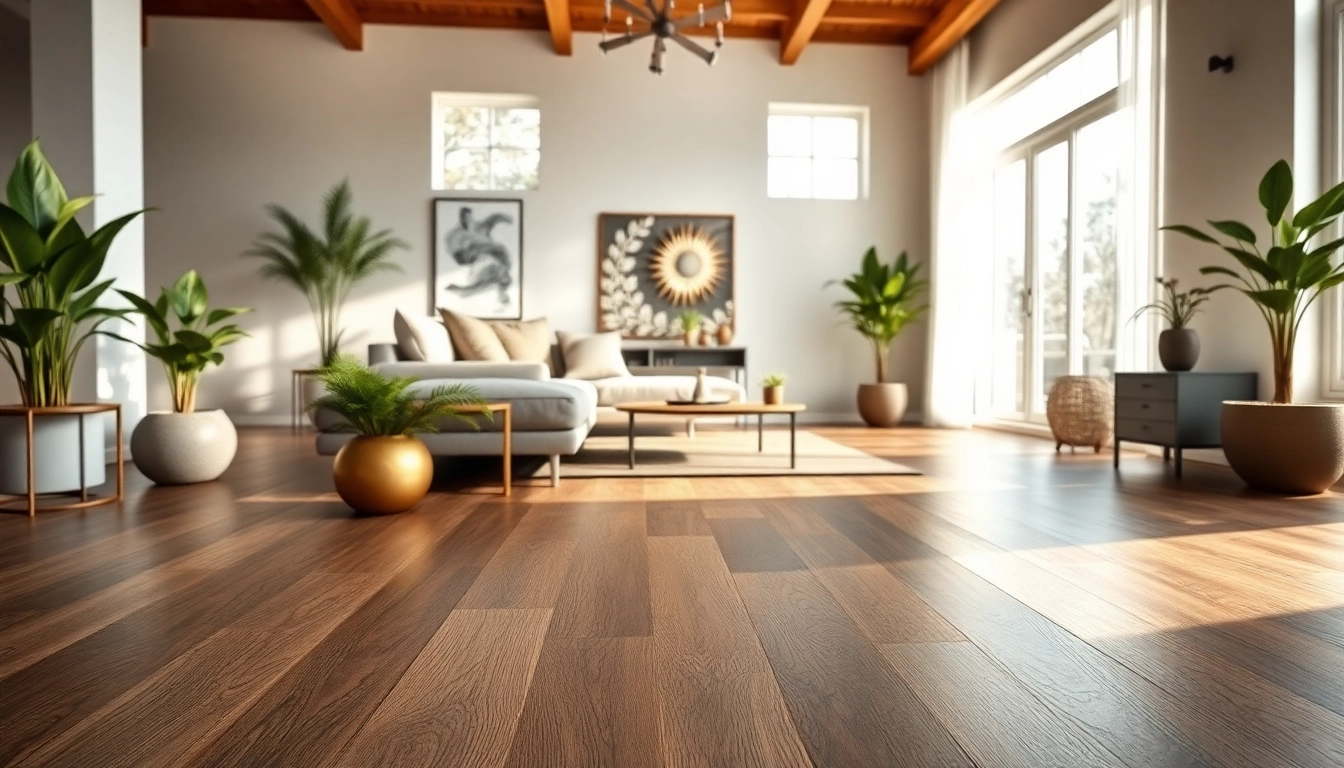
Vinyl flooring has gained popularity in recent years due to its versatility, affordability, and ease of maintenance. It comes in several forms, including sheets, tiles, and planks, making it adaptable to various design preferences. Modern vinyl flooring options replicate the look of natural materials like wood and stone, providing an appealing aesthetic without the associated costs.
Furthermore, vinyl flooring is water-resistant, making it ideal for areas prone to spills, such as kitchens and bathrooms. The installation process is relatively straightforward, which can sometimes be a DIY project. For those considering vinyl, it’s worth visiting local stores to explore color variations and texture finishes available through flooring companies near me.
2. Hardwoods vs. Laminate
Choosing between hardwood and laminate flooring often depends on budget and desired aesthetics. Hardwood flooring is a classic choice, known for its longevity and ability to increase home value. It is available in various wood species, finishes, and grains, offering a level of uniqueness that can elevate a home’s interior.
On the other hand, laminate flooring provides an economical alternative, designed to mimic the appearance of hardwood with added durability. It is scratch-resistant and easier to install, making it a favorable option for families with pets or young children. Understanding the pros and cons of both is crucial for making a well-informed decision.
3. Eco-friendly Flooring Choices
As sustainability becomes increasingly important, eco-friendly flooring options have emerged to meet consumer demands for greener living. Materials such as bamboo, cork, and reclaimed wood offer excellent alternatives to traditional flooring while minimizing environmental impact.
Bamboo, a rapidly renewable resource, is particularly popular due to its hardness and durability. Cork is another sustainable choice, providing natural thermal insulation and sound absorption, ideal for creating a cozy indoor atmosphere. When choosing flooring, it’s essential to consider the lifecycle impact of the material you select.
Why Local Flooring Companies Matter
Choosing a flooring company isn’t just about finding a good price; it’s also about the service you receive. Local flooring companies often provide personalized service and quicker response times. Here’s why supporting these businesses can be advantageous.
1. Personalized Service Benefits
Local flooring companies typically offer personalized consultations, allowing you to discuss your specific needs and preferences. When you visit a local store, knowledgeable staff can provide tailored recommendations based on your home’s layout and style. This personal touch often results in better satisfaction and a perfectly matched flooring choice.
2. Supporting Local Economy
When you choose local flooring firms, you contribute to the community’s economic health. Supporting local businesses keeps money within the community, fostering job creation and providing a boost to local service providers. This community-driven approach often ensures high-quality service and accountability.
3. Quick Response Times
Local flooring companies are usually more responsive compared to larger chains. They understand the importance of timelines for home projects and may offer faster installation services. Knowing that you can reach your service provider easily adds peace of mind throughout your flooring journey.
How to Choose the Right Flooring Company
With numerous options available, selecting the right flooring company can be challenging. By evaluating reviews, comparing estimates, and checking credentials, you can make an informed choice that meets your expectations.
1. Assessing Reviews and Ratings
Customer reviews are an invaluable resource when assessing flooring companies. Online platforms often feature testimonials that can provide insights into customer experiences, quality of work, and overall satisfaction. Aim for companies with consistent positive feedback and establish a shortlist based on those ratings.
2. Comparing Estimates and Services
Soliciting estimates from multiple companies can help you identify competitive pricing. However, remember that the cheapest option may not always offer the best quality. Look at the services included in the estimate, such as installation, warranty, and aftercare. A thorough comparison will lead to a more informed decision.
3. Checking Certifications and Experience
Experience is vital in the flooring industry. Check the certifications and qualifications of flooring companies to ensure they meet industry standards. An experienced flooring contractor not only provides superior installation but also advice on maintenance and durability outcomes.
Installation Process and What to Expect
Once you’ve chosen your flooring type and hired a contractor, it’s essential to understand the installation process. Familiarity with stages of installation can help ease anxiety and set realistic expectations.
1. Preparation and Planning Stage
The first step involves preparing your space for installation. This may include removing old flooring, leveling the subfloor, and ensuring that your space is clear of furniture and other obstructions. Your contractor should provide a timeline and outline of what to expect during this phase.
2. Actual Installation Details
During installation, the flooring will be laid according to the specific methods recommended for the chosen material. The length of the installation will depend on the size of the area and type of flooring. Here, quality is crucial: ensure that your contractor follows industry best practices to guarantee a durable, beautiful outcome.
3. Final Walkthrough and Inspection
After installation, a final walkthrough with your contractor is crucial. This step allows you to inspect the work comprehensively and ensure everything meets your expectations. Address any concerns at this time to ensure your complete satisfaction with the final product.
Maintenance Tips for Flooring Longevity
Proper maintenance can significantly extend the lifespan of your flooring. Here are essential tips to keep your floors looking their best.
1. Routine Cleaning Practices
Establish a regular cleaning schedule tailored to your flooring type. For instance, hardwood may require specialized cleaners, while vinyl can often be maintained with a damp mop. Avoid harsh chemicals that could damage finishes and always follow manufacturer recommendations.
2. Addressing Repair Needs
Do not ignore minor damages. Addressing scratches, dents, or stains immediately can prevent them from worsening. Each flooring type has specific repair procedures; consult with professionals to find the best approach for your situation.
3. Seasonal Care Guidelines
Different seasons may require unique care approaches. For example, during winter months, using mats can help reduce dirt tracked in by snow. In humid conditions, ensure proper ventilation to prevent warping. Seasonal maintenance can keep your floors in optimal condition year-round.
FAQs
What type of flooring is best for high-traffic areas?
Vinyl and laminate floors are excellent choices for high-traffic areas due to their durability and resistance to scratches. They are easy to maintain and can withstand significant wear over time.
How often should I clean my floors?
Routine cleaning should be done at least once a week, using a vacuum or a soft broom. Deeper cleaning methods may vary based on the flooring type but should be done monthly to maintain appearance and longevity.
Can I install flooring myself?
If you have experience or the right tools, certain types of flooring like laminate or vinyl can be DIY projects. However, for more complex materials like hardwood or custom installations, hiring professionals is advisable.
How do I know if my flooring needs repair?
Look for visible signs like cracks, stains, or warping. If your floor feels uneven or creaky, it may also signify that repairs are necessary to maintain safety and aesthetics.
What is the lifespan of different flooring types?
Vinyl typically lasts 10-20 years, while laminate can last around 15-25 years. Hardwood floors can last 30 years or more with proper maintenance. Regular care plays a significant role in extending your flooring’s lifespan.